Predictive Maintenance · Rod Pump
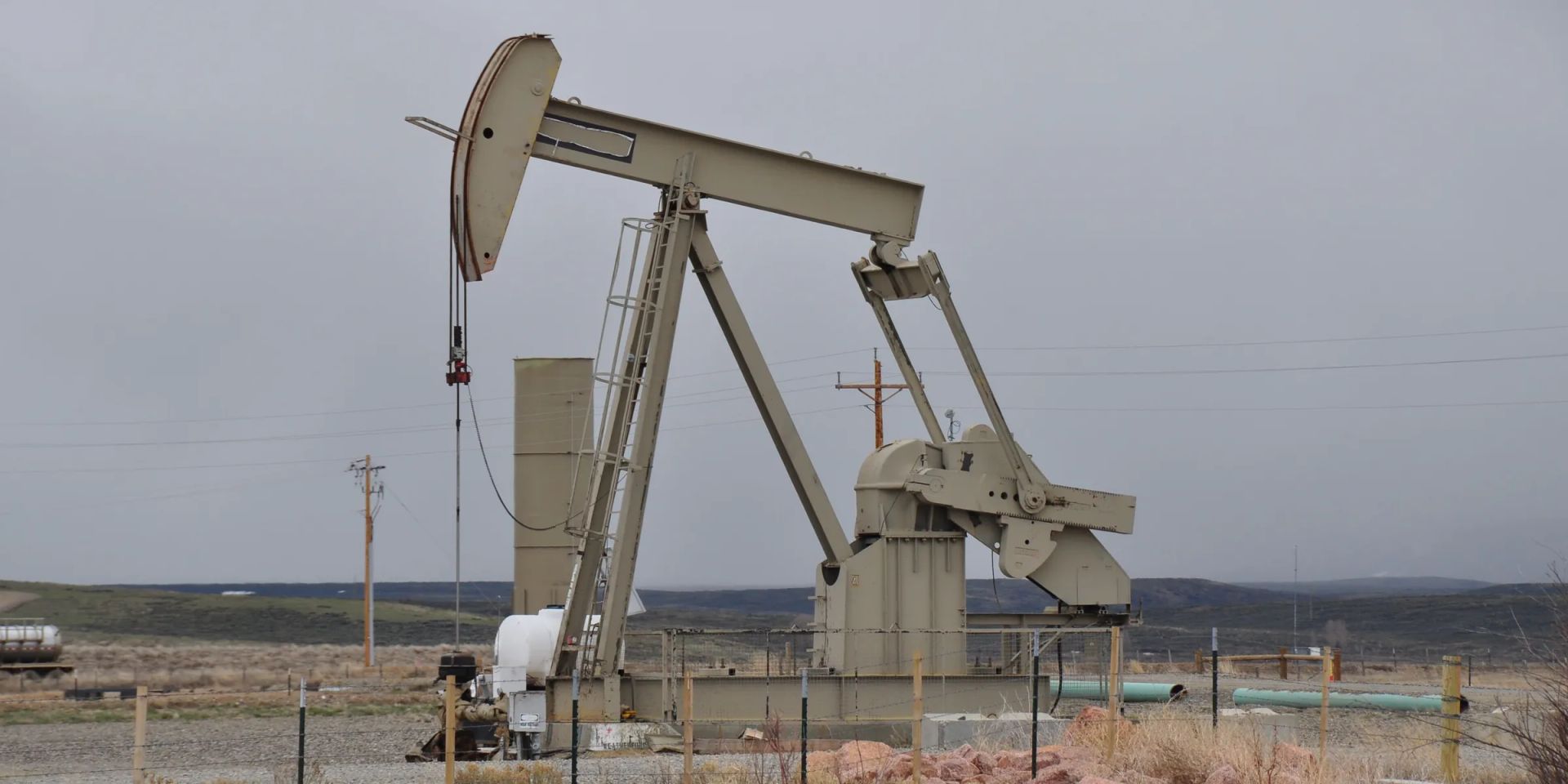
Rod pump failures. Caught days early.
Per-well dynamometer ML detects pump fillage degradation, gas interference, parted rod, and fluid pound. Each signature flagged before the production rate moves enough to cross a fixed SCADA threshold. Illustrative industry figures put a reactive workover at $15-30K plus $5-15K/day of deferred production. Catching it early turns both into a scheduled job.
Four rod-pump signatures.
Signature
Pump fillage degradation
ML detects
Card area shrinking >15% over 7 days
Root cause
Wear, gas interference, formation issue
Action
Schedule pump pull at 14-21 days, not after parted-rod event
Signature
Gas interference
ML detects
Card shape: filled → gas-interfered at top-of-stroke
Root cause
GOR increase, separator failure, formation gas breakthrough
Action
Investigate separator before scheduling pump work
Signature
Parted rod
ML detects
Sudden bottom-load drop with maintained top-load
Root cause
Rod failure, typically at coupling or transition joint
Action
Pull immediately; production at risk every hour
Signature
Fluid pound
ML detects
Characteristic late-stroke spike pattern
Root cause
Pump-off / over-pumping (rate exceeds inflow)
Action
Adjust SPM via controller before mechanical damage compounds
Continue the cluster
Rod pump is one equipment class. The platform covers them all.
Other equipment classes
Predictive maintenance
- ESP failure prediction→
Bearings, motor temp, gas lock
- Gas compressor PM→
Vibration, valve, oil temp
- Gas-lift well optimization→
Instability, slugging, valve loading
- Artificial lift optimization→
Rod, ESP, and gas lift ranked on one economic ruler
- All equipment signatures→
Capability deep-dive
- PM capability page→
Cross-equipment ML
- Decline Curve Software→
The baseline for anomaly detection
The work it triggers
When the signature flags
Frequently asked
What rod-pump foremen ask.
What rod pump failures does WorkSync detect?
Four primary failure modes. (1) Pump fillage degradation: dynamometer card area shrinking more than 15% over 7 days. (2) Gas interference: card shape shifting from filled to gas-interfered at top-of-stroke. (3) Parted rod: sudden bottom-load drop with maintained top-load. (4) Fluid pound: the characteristic late-stroke spike pattern. Each gets flagged with dollar impact, intervention cost, and a rank in the work plan.
What is the lead time versus fixed-threshold SCADA?
Days of advance warning are typical, because the card-shape signatures change before the production rate does. As an illustrative industry figure: for an at-risk well producing 50 BO/d at $75/bbl, every 24 hours of early intervention is roughly $3,750 of deferred-production avoidance.
Workover avoidance versus scheduled workover, what is the math?
Illustrative industry figures: a reactive workover on a failed pump runs $15-30K typical cost, plus days of deferred production at $5-15K/day depending on well rate. A scheduled workover caught days pre-failure carries the same workover cost, near-zero deferred production, and no emergency rig premium. The catch time is the whole difference.
What data does it need?
Dynamometer card data from the pump-off controller, production rate from SCADA or run tickets, and well-test data from your accounting system. The model trains on 90-180 days of historical card data per well. SCADA gaps shorten the predictive lead time; deployment proceeds either way.
Does it work with all pump-off controllers?
Yes. Any controller exporting standard dynamometer card formats is in scope. The card is the substrate; the controller brand is incidental.
How does this connect to the broader anomaly detection system?
Rod-pump signatures are one equipment class in the broader anomaly detection capability. See /capabilities/anomaly-detection for the equipment-class signatures across rod pump, ESP, gas lift, plunger lift, and surface equipment. The flagged anomalies feed the ranked work plan via Work Engine.
See rod-pump ML on your wells.
4-week pilot on the stack you already own. Pick one field. Day 14 we show the at-risk pumps. Day 28 you decide, under the Impact Guarantee: we charge when your number moves.