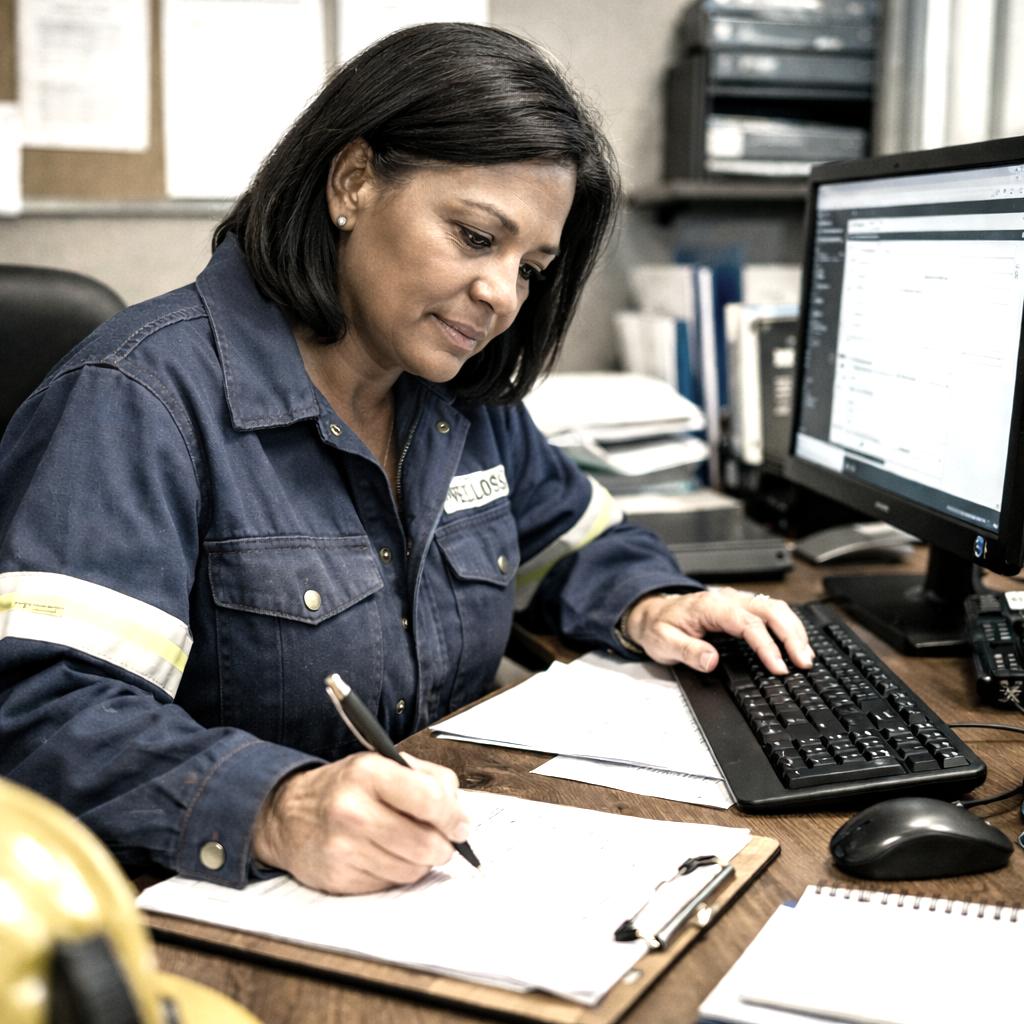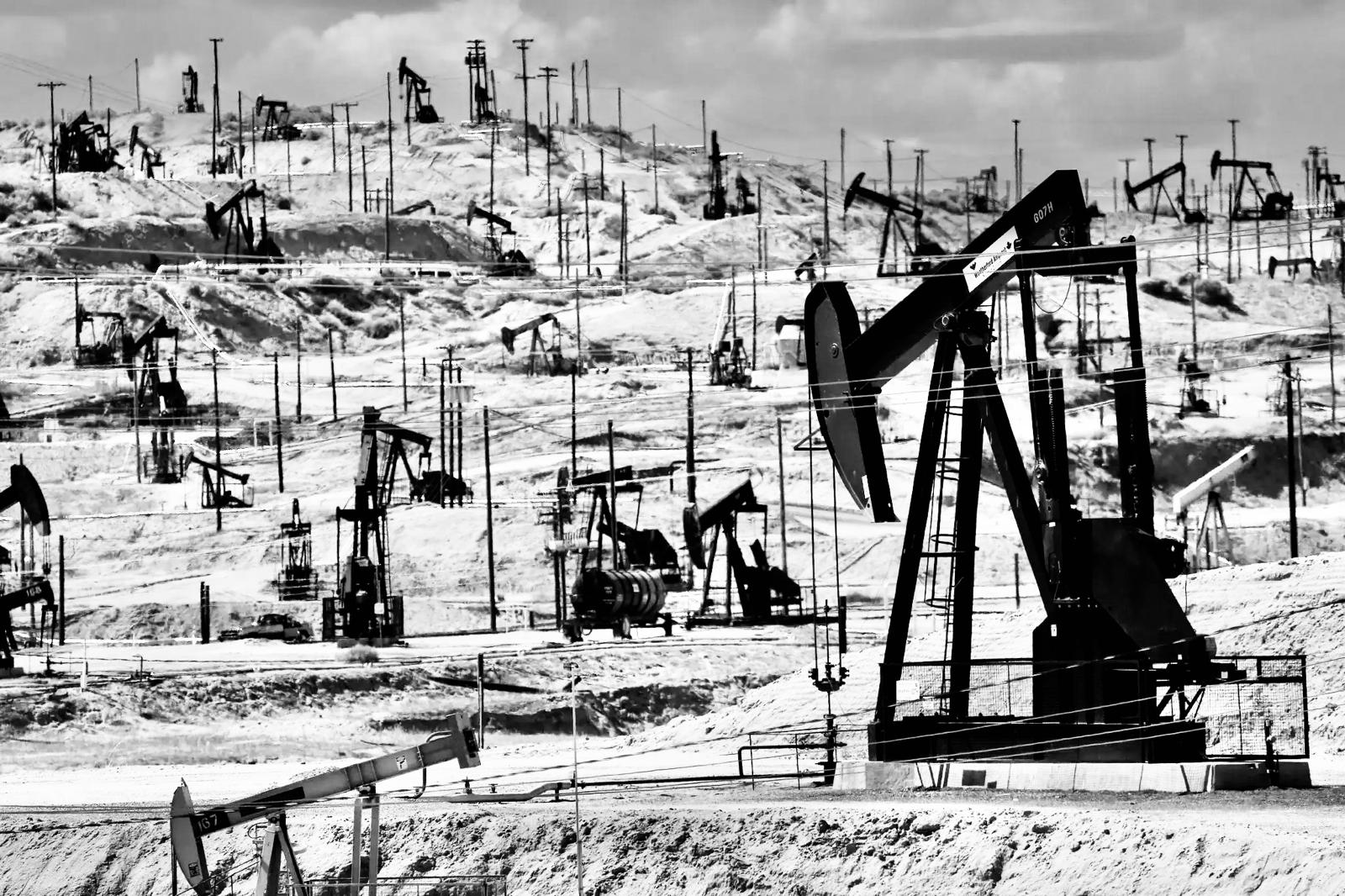
Your field superintendent showed up at 5:30 AM. By 6:15, they had 47 unread messages across three apps, 12 SCADA alarms from overnight, a compliance form that was due yesterday, and a text from the VP of Engineering asking why a well was still down. They have not looked at a single well yet.
This is not an operations problem. This is a noise problem. And it is quietly killing the performance of every field team in the industry.
Every Department Has a Tool. The Field Has All of Them.
Walk through the technology stack that touches a field superintendent in a typical upstream operation. Count the systems. Count the logins. Count the alerts.
HSE pushes a safety management platform with daily compliance tasks, incident forms, JSA requirements, and audit checklists. Field leaders must log into this system, confirm completions, and chase down crews who have not submitted their forms.
Production accounting pushes a separate system for run tickets, volume allocations, and meter readings. Discrepancies between SCADA volumes and accounting volumes require manual reconciliation. The field is expected to catch the gaps.
Compliance pushes emissions monitoring tools, LDAR surveys, regulatory deadlines, and permit tracking. Missing a deadline means fines. The field is the last line of defense.
Engineering pushes well models, decline curve outputs, and optimization recommendations through yet another platform. When a well underperforms the model, the first call goes to the field.
Finance pushes AFE tracking, cost allocation requirements, and vendor invoice approvals. The field superintendent approves invoices for work they may not have directly supervised, using a system that does not connect to their operational workflow.
And then there is the communication layer: texts from operators, emails from management, group chats for each crew, radio calls from contractors, and phone calls from vendors. A single superintendent might receive 100+ messages per day across five or more channels.
No one designed this. It accumulated. Each department solved its own problem by building or buying a tool and pushing it to the field. The field became the integration layer that nobody planned.
The Anatomy of a Single Well Outage
To understand the scale of the noise problem, trace what happens when a single well goes down unexpectedly.
SCADA fires an alarm. The alarm hits the superintendent's phone and the control room simultaneously. Depending on the SCADA configuration, it might also trigger a text to the foreman, an email to the production engineer, and a notification in the operations dashboard.
The superintendent checks the alarm. Is it real or a false positive? They need context: Was there a work order active on this well? Is a crew already en route? What was the well producing before the event? What is the economic impact of the downtime?
Answering those questions requires checking four separate systems. SCADA for the alarm details. CMMS for active work orders. Production accounting for the well's output. The crew app or GPS system for personnel locations.
While they are researching, the production engineer texts asking for an update. The area manager sends an email asking for an ETA on restoration. HSE flags that the well requires a specific safety protocol for restart. Compliance notes that the well is in a sensitive area requiring additional notifications.
A single well event generates 20+ touches across multiple systems and multiple people. Multiply that by the 5-10 events that happen on a typical day across an operating area, and you start to see why the superintendent never gets ahead of the noise.
The Real Cost: Your Field Leaders Are the Integration Layer
Here is what the noise problem actually costs.
Time. Field superintendents spend 3-4 hours per day on system management, data reconciliation, and cross-department communication. That is 40% of their working day consumed by noise instead of leadership.
Decision quality. When the superintendent finally builds their daily plan, it is based on whichever information they happened to see most recently, not on a complete picture of operational priorities. Urgency beats importance. The loudest alarm wins. A well producing 15 BOE/day with a critical SCADA alert gets attention before a well producing 200 BOE/day with a developing performance trend that has not triggered an alarm yet.
Crew productivity. When the plan is built on incomplete information, crews visit the wrong wells. Industry data shows that 25-40% of daily well visits do not result in meaningful action. The crew drives to the location, confirms the well is fine or that the issue resolved itself, and moves on. Those windshield miles are not free. They cost fuel, vehicle wear, road exposure, and opportunity cost on wells that actually needed attention.
Talent retention. The best field leaders do not leave because of the hours or the weather. They leave because they cannot do the job they were hired to do. They were promoted because they understood wells, equipment, and people. Now they spend their days feeding systems and reconciling data. The leadership tax is real, and it compounds every time another department adds another tool.
The Noise Creates a Dangerous Illusion
The worst part is that the noise creates an illusion of activity. Dashboards are full. Reports are generated. Compliance forms are submitted. From the corporate office, it looks like the operation is running smoothly because all the systems are being fed.
But the systems being fed and the operation being run are two different things. The superintendent knows this. They know that the daily plan is a compromise between what the data says and what they can actually process in the time they have. They know that some wells are being visited out of habit, not priority. They know that the important work, the proactive maintenance, the trend analysis, the crew development, gets pushed to "when things slow down." Things never slow down.
What the Solution Actually Looks Like
The answer is not another tool. It is not a better dashboard or a smarter notification system layered on top of the existing stack.
The answer is an intelligence layer that sits across all of these systems, ingests their data, and does the integration work that the superintendent is doing manually today. One platform that synthesizes SCADA alarms, production data, maintenance history, crew locations, compliance requirements, and economic models into a single prioritized view.
This is not about replacing existing systems. Those systems work fine for their intended purpose. It is about removing the burden of manual synthesis from the field leader and replacing it with a unified operational picture that updates continuously.
When a well goes down, the system should already know: what the well was producing, what the economic impact of downtime is, whether a crew is nearby, whether a work order exists, and what safety protocols apply. That context should arrive with the alarm, not require 20 minutes of cross-system research.
When the superintendent builds their morning plan, it should be built for them. The capabilities that matter are not more data collection. They are contextual prioritization, automated synthesis, and intelligent workplan generation. The field leader's job should be reviewing and adjusting the plan, not building it from scratch every morning.
The Question
Every department that pushed a tool to the field was solving a real problem. HSE needs compliance data. Accounting needs production volumes. Engineering needs well performance metrics. None of these needs are going away.
The question is whether the field superintendent continues to be the human middleware that connects all of these systems, or whether you give them technology that does the integration work for them.
The noise will not get quieter on its own. Every year, operators add new systems, new compliance requirements, new reporting obligations. The integration burden grows. The superintendent's capacity does not.
The operators who solve this problem will retain better leaders, make better decisions, and capture more value from their existing assets. The operators who do not will keep wondering why their best people keep leaving and why their wells keep underperforming.
The noise is not neutral. It is actively costing you money, talent, and operational performance every single day.